About Geometry Dash Subzero 3D
Geometry Dash Subzero 3D is a fast-paced 3D rhythm platformer where I jump, dodge traps, and follow the beat through colorful icy levels at speed.
I like how the Subzero theme gives the game a cold, energetic atmosphere without complicating the controls. The 3D perspective adds more depth to the stages, while bright lighting and upbeat music make every run feel active. The difficulty also keeps me interested because I have to improve my timing rather than rely on luck.
How to play
In Geometry Dash Subzero 3D, I mainly focus on three things: timing my jumps, reading the 3D path, and keeping my movements in sync with the music.
Controlling the cube
- Jump over obstacles by tapping the screen or using the jump button.
- Pay attention to the 3D camera when the path changes direction.
- Use the music's rhythm to anticipate upcoming jumps.
- Watch the route ahead instead of reacting only when an obstacle is already close.
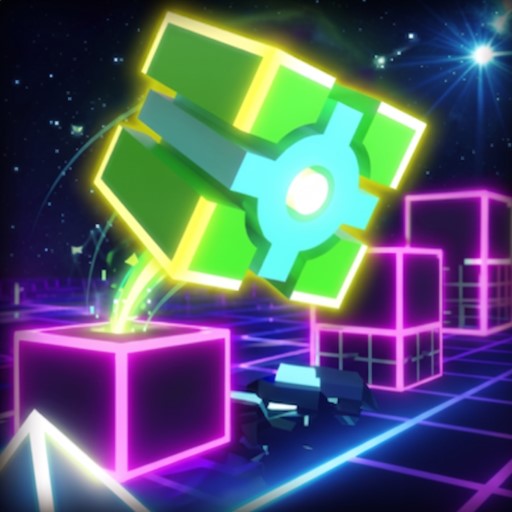
Tap the screen or use the jump button
Finishing each level
Patience matters a lot here. Rushing usually makes me mistime a jump, while following the rhythm helps my movements feel more natural. The fast reactions and beat-based challenges also remind me of the gameplay style I enjoy in Geometry Vibes.
Challenging obstacles
The obstacles are what make each run in Geometry Dash Subzero 3D exciting. I never know when a familiar path will suddenly introduce something that requires a different reaction.
Sudden spikes
Sharp spikes can appear directly in the path, leaving very little room for mistakes. Many are positioned to match the music, so keeping the rhythm in mind helps me predict when to jump.
Dangerous gaps
Large gaps require accurate jumps or carefully timed movement across the route. Missing the landing by even a small amount can end the run, so I try to look ahead and judge the distance before committing.
Lasers and moving bars
Moving hazards are harder because their positions constantly change. Some travel across the path while others rotate, forcing me to adjust my timing instead of following a fixed pattern.
Spring traps
Spring-based traps can suddenly launch or redirect the character. They caught me off guard several times, and I found that replaying the same section was the easiest way to learn when and where they activate.
For players who enjoy this kind of obstacle-based rhythm challenge, Geometry Dash 3D is another game like Geometry Dash Lite, Geometry Dash Meltdown, and Geometry Dash World, offering a different take on colorful 3D platforming.
FAQs
Is Geometry Dash Subzero 3D difficult?
It can be challenging, especially as levels get faster and obstacles appear in tighter combinations. The controls are easy, but mastering the timing takes practice.
Can beginners play Geometry Dash Subzero 3D?
Yes. I think beginners can start comfortably because the basic controls are straightforward. The main learning curve comes from recognizing patterns and improving reaction speed.
What makes the 3D version different?
The added depth and camera perspective make it harder to judge distances compared with a traditional flat platformer, giving familiar obstacle patterns a fresh challenge.